

Nha Trang is often called “Vietnam’s beach capital” – and that’s just the tip of the iceberg. Living here for an extended period, you begin to notice the city from different angles: sometimes it’s vibrant and bustling, other times cozy and relaxed. Everyone finds something of their own here – whether it’s the sea, the food, or the atmosphere.
So, is Nha Trang worth including in your itinerary? Let’s find out!
Sea and Beaches
Let’s start with the main attraction – the sea and beaches. Nha Trang stretches along a long sandy spit with a convenient gentle entry into the water and a green zone running the entire length of the coastline. This is where the famous Tran Phu Street runs – a place where it’s pleasant to jog, take evening strolls, or exercise.
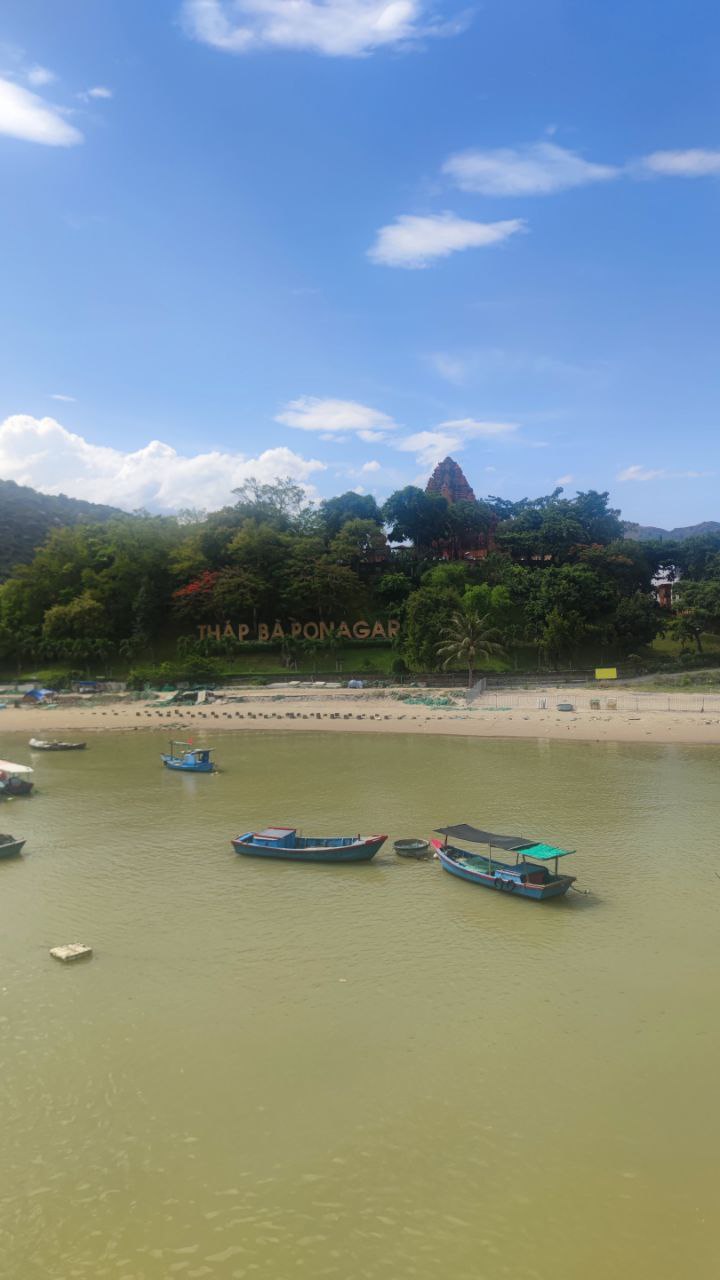
For those seeking variety, it’s easy to venture out to bays and islands – Hon Mun, Hon Tam, as well as Doc Let and Bai Dai beaches.
-
In summer, the water is warmer, cleaner, and clearer, making swimming and diving particularly comfortable.
-
In winter, winds blow more frequently and waves roll in, so it’s better to head to sheltered bays.
The city’s main landmark is the Tran Phu waterfront. Picture a long strip of light sand: in the morning it’s occupied by runners, yogis, and dancers, while closer to noon, vacationers appear.
Travel just a bit away from the center – and the scenery changes. The islands of Hon Mun and Hon Tam are only 15-20 minutes away by boat. There the water is noticeably clearer, and Hon Mun is especially popular with snorkelers and divers: you can see corals and schools of bright fish.
Doc Let is considered a favorite for day trips: a long deserted beach, pristine white sand, and calm sea. Bai Dai suits those seeking expanses, natural beauty, and minimal development.
If you’re planning to stay for a long time, you’ll have to adjust to the rhythm of the seasons: in summer you live by the sea, while in winter you more often stroll along the coast and venture out to quiet bays.
Accessibility and Logistics
The easiest way to get here is via Cam Ranh Airport (CXR), located 35 km from Nha Trang. The ride to the city center takes about 40-50 minutes. At the outset, the journey delights with scenic views, which soon give way to the Soviet-era everyday grayness of local life.
There are direct flights from Bangkok, Singapore, Seoul, Busan, Hong Kong, Kuala Lumpur, Moscow and many other cities. In winter, charter flights from Russia are added to the schedule. Domestic flights from Ho Chi Minh City and Hanoi take just an hour. This means it’s possible to visit Nha Trang from almost any country.
From the airport, you can choose the most convenient transfer option: a Grab taxi costs about $10-15, minivan shuttles are just $3-4, and a private transfer is best booked through your hotel, especially if you arrive at night or are traveling with children.
For us, getting to and from the airport costs around 350,000 dong. And since we travel to different countries quite often, the Grab app is the most relevant choice for us.
There are alternatives too: the train ride from Ho Chi Minh City takes about 8 hours, from Da Nang – 11 hours. It’s a very picturesque route along the coast. A more budget-friendly option is overnight buses with sleeper pods, taking 9-12 hours. “Sleeping” buses come in several types, so it’s worth checking the specifics in advance to pick the best option for you.
Getting around Nha Trang itself is easy with taxi apps like Grab and Be – rides cost just $1-2. Among official services, Vinasun and Mai Linh are reliable meter taxis. Another popular choice is to rent a motorbike for $4-6 per day, which is perfect for trips to Doc Let beach or the mountains. For trips to islands and far-off beaches, it’s simpler to book a tour with transfers included.
Cycle rickshaws deserve a separate mention. They are often known for overcharging, demanding much more than was agreed at the end of a ride. That’s why we tend to avoid this mode of transport. There are plenty of rickshaws around town, and you can always make use of this service if you wish.
Things to Keep in Mind
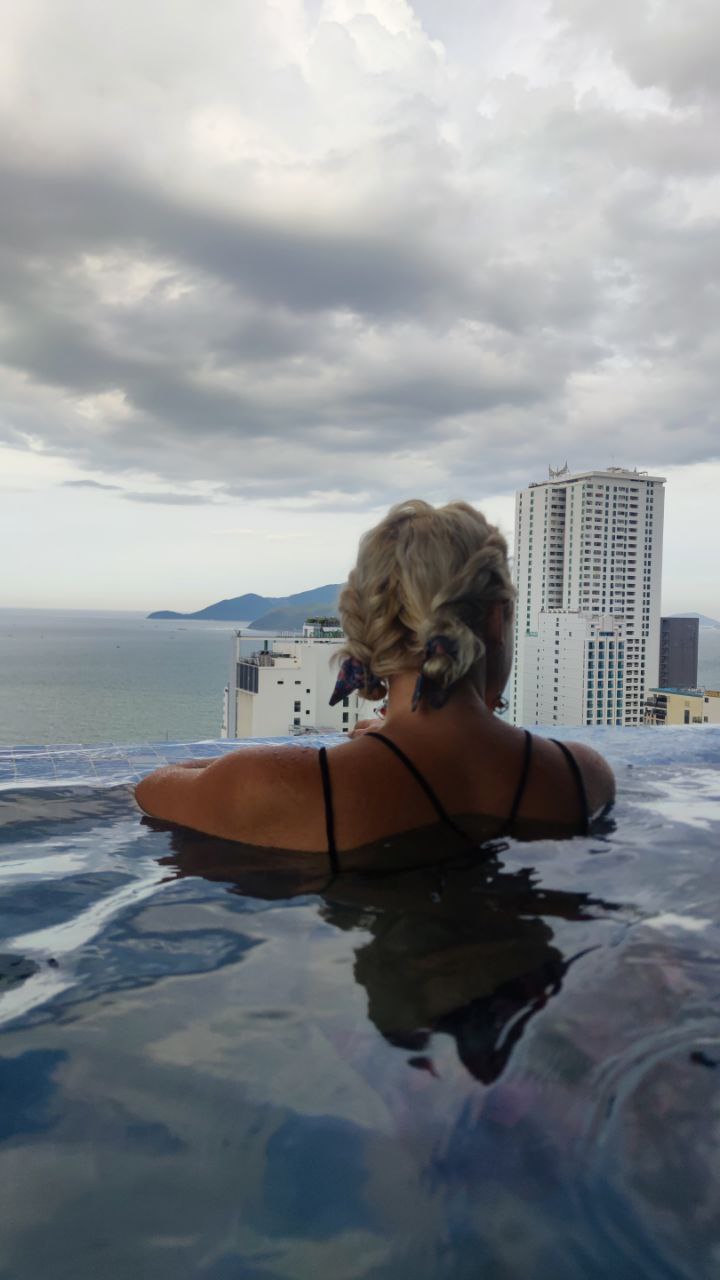
The city carefully maintains a balance between comfort and cost. For those staying just a short while, there are simple guesthouses and mini-hotels just a few blocks away from the action. If you value amenities, you’ll appreciate the modern hotels and condos along the beachfront, boutique hotels, or private homes. For those who decide to linger, upscale rentals with more lavish interiors are readily available. On average, the further you move away from the bustling Tran Phu waterfront, the lower the cost of accommodation—and the more opportunities to find a good deal.
Here are some nuances to keep in mind:
-
If you live on the first line, remember that you’ll wake up every morning to the noise, music, and songs of people exercising, and in the evenings, you’ll enjoy the soundtrack of local dance parties.
-
But moving farther from the beach doesn’t guarantee peace and quiet. Our apartment is on the 29th floor, and that doesn’t shield us from the sound of car horns. This cacophony is yet another signature of Vietnam. Everyone honks—everywhere, anytime: turning corners, drawing attention, warning visible and potential road users about their presence on the street.
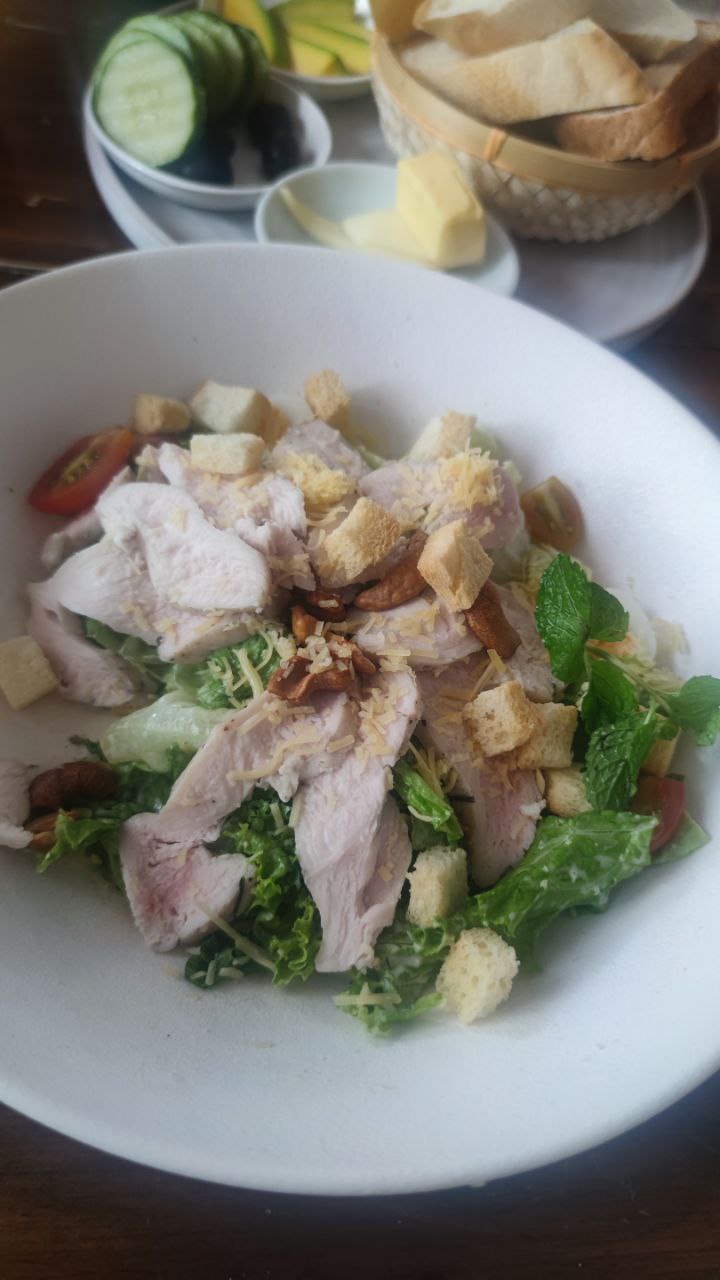
Nha Trang is unimaginable without street food. A bowl of fragrant pho, a fresh banh mi, or chicken rice—all are available nearly everywhere in the city’s tourist district. Local cafes and eateries also serve Thai, Korean, Japanese, Greek dishes, and more. For some, mornings simply must begin at the seaside, in a café on the first line where you can sample omelets, avocado toast, fruit bowls, and Vietnamese coffee with condensed milk; others might prefer the hotel buffet. The choice is always yours.
If you’re looking for a cozy café with a solid menu selection, we recommend checking out “Alpaca.”
But the city’s true pride is its seafood. At the markets, you’ll find not only familiar shrimp and squid, but also oysters, sold by the piece. At “ice café” restaurants and street stands with aquarium tanks, guests select their catch personally, and the cooks turn it into a finished dish—the bill depends on the establishment and your ambitions. For variety, you can try tourist-oriented restaurants, or use your own kitchen.
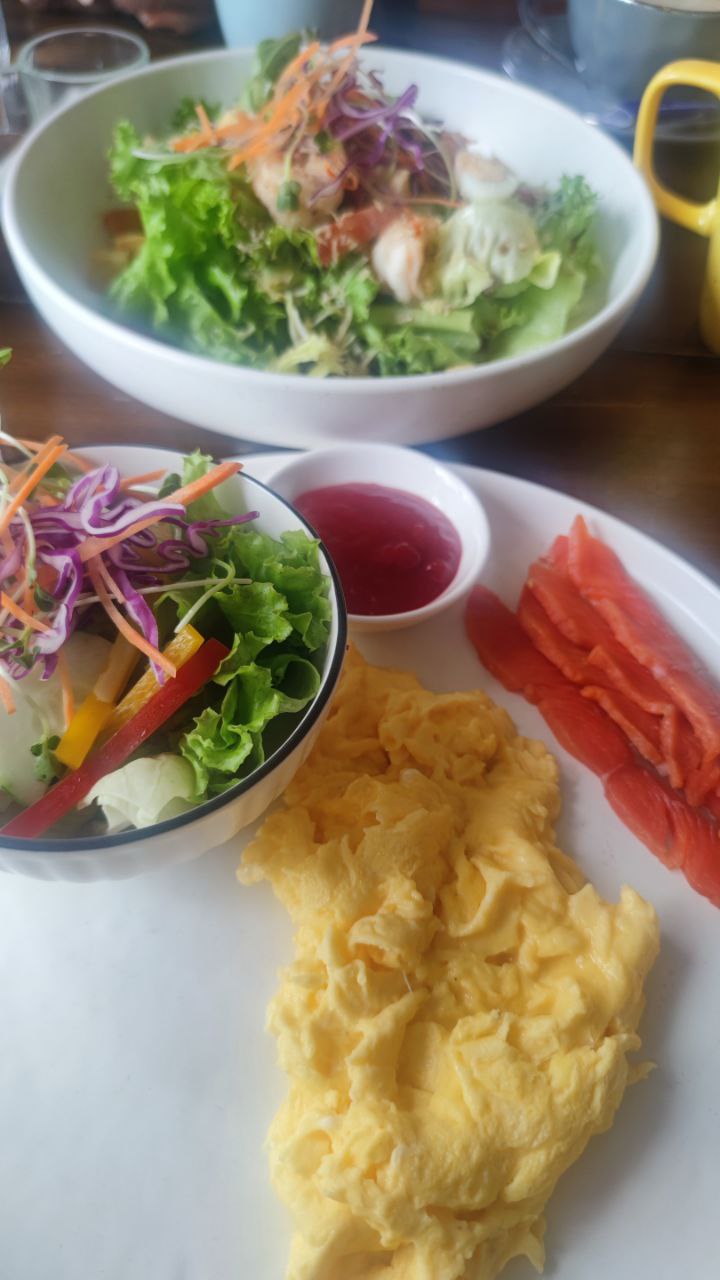
We mostly choose international cuisine—local food tends to be rather bland and peculiar, and we couldn’t stick with it for long. Pay special attention to fruits, fruit crepes with sweet toppings (similar to Thai roti), pastries, ice cream, or avocado shakes and milk chocolate.
Seafood, especially lobsters, is sometimes sold cooked by private vendors. This is one kind of purchase we wouldn’t recommend: the creatures roasting on the coals are often less than fresh.
As we’ve mentioned before, the easiest way to get around town is by taxi or Grab, renting a scooter or car, or simply using the city buses. For longer trips, turn to the rail or bus companies.
Nha Trang offers relaxation beyond the seaside zen—massage is everywhere in the tourist area. These sessions are similar to Thai massage parlors in principle. Want a foot massage? No problem. Back? Easy. There are regular salons, comprehensive spa studios, and specialized blind masseur salons. A one-hour massage in a spa costs just $8, while premium salons charge $15-20.
We’ve tried different massage places, and sessions often include foot baths and hot stones. Among the blind masseur salons, “Moscow” stands out, but reservations are necessary to guarantee a spot. Remember the names of therapists who suit you, so next time you can book with them directly. I always choose not only the type of massage (therapeutic, relaxing) but also a VIP-level therapist. But I didn’t like the foot massage from my therapist—sometimes it’s just not your person.
Living in Nha Trang Didn’t Seem Especially Cheap to Us
It seems the growing popularity of Vietnam among tourists is starting to show. Yes, with some effort, you can still find places where, in terms of price and quality, your purchases can be more advantageous. But in reality, you’ll mostly shop where you live and walk.
Nha Trang, of course, is also about seafood fresh from the boat, its signature bun cha ca (fish noodle soup), pho bo (traditional Vietnamese beef broth soup with rice noodles, meat slices, and fresh herbs), and fresh fruit year-round. Coffee culture is robust: cafés and coffee shops on the first and second lines make breakfast, dessert, and “working with a view” surprisingly easy. There are even “chocolate” shops where you can witness the entire chocolate-making process. Prices aren’t cheap, so keep that in mind. If you like, you can buy local products and have a snack right there in the café.
If you’re at a loss choosing chocolate, you can sample bite-sized pieces thoughtfully set out for each flavor. The bars themselves come in different sizes. For us, milk chocolate was the winner.
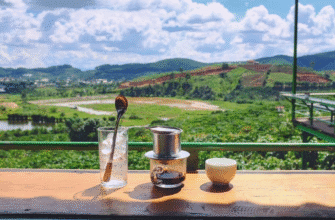
You can visit modern, air-conditioned coffee shops with fast Wi-Fi—ideal for working remotely. If you crave authenticity, among the tiny streets you’ll find stalls brewing coffee the old way, with Vietnamese “phin” filters, served over ice. A cappuccino in a coffee shop costs about $2-3, while the traditional Vietnamese cà phê sữa đá is around $1.
Fruit variety is similar to what you’d find in Thailand: mango, passionfruit, pineapple, pitahaya (dragon fruit), durian, jackfruit. At the market, a kilo of mango goes for $2-3. Prices depend on where you buy—shops, markets, small fruit stands, or roadside vendors. At any time, you can buy fresh fruit, smoothies, and fruit platters.
Entertainment and Activities
The classics: island tours, snorkeling and diving on coral reefs, mud or mineral baths (Thap Ba, I-Resort). For families—parks and cable cars (VinWonders); for the active—SUP boards, kayaks, and sometimes even surfing, depending on the season.
The most popular excursion is the three- or four-island tour. By motorboat or boat, you can visit Hon Mun, Hon Tam, and neighboring islands in a single day. Reef snorkeling with a mask—the water is crystal clear, with corals and schools of tropical fish right at your fingertips. Island lunches are simple but have that tropical picnic feel. Tour prices are $15–25 per person, including transfer and food.
Nha Trang is one of Vietnam’s premier diving centers. Dozens of schools offer PADI courses. An introductory “discover scuba” dive costs $50–60, while a full dive with equipment is $30–40. The best season is summer, when the sea is calm and visibility is at its maximum.
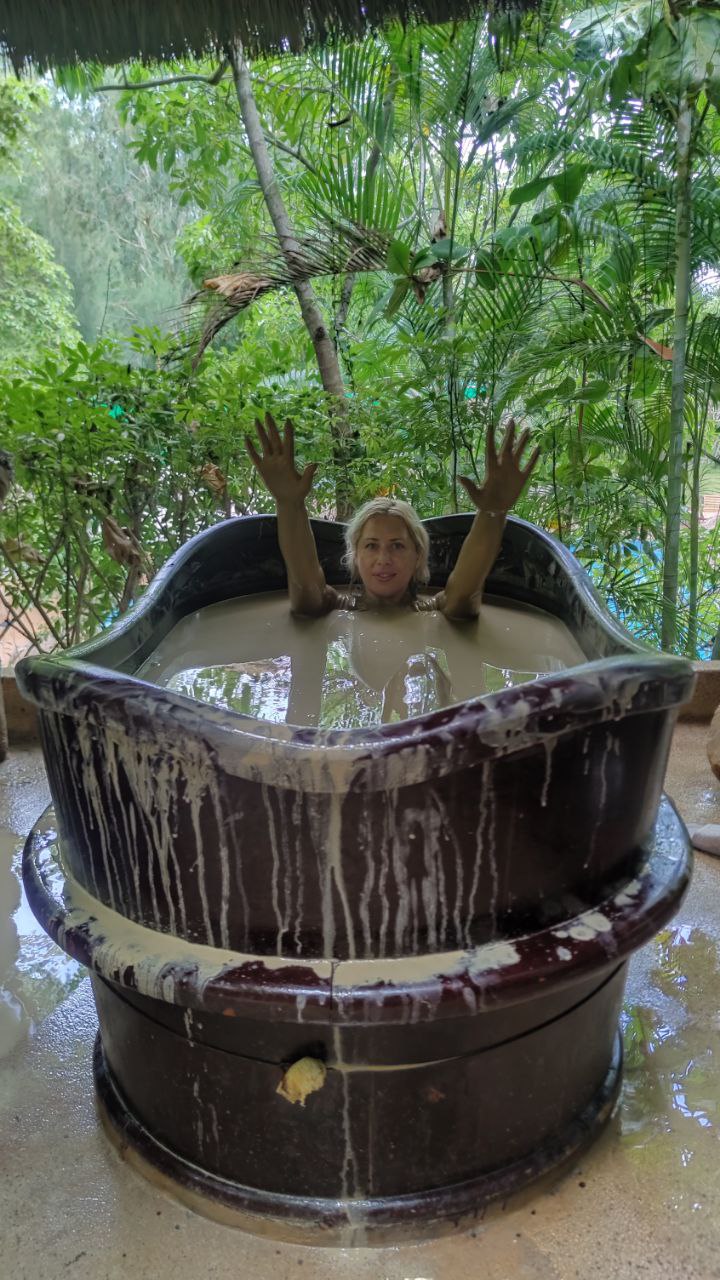
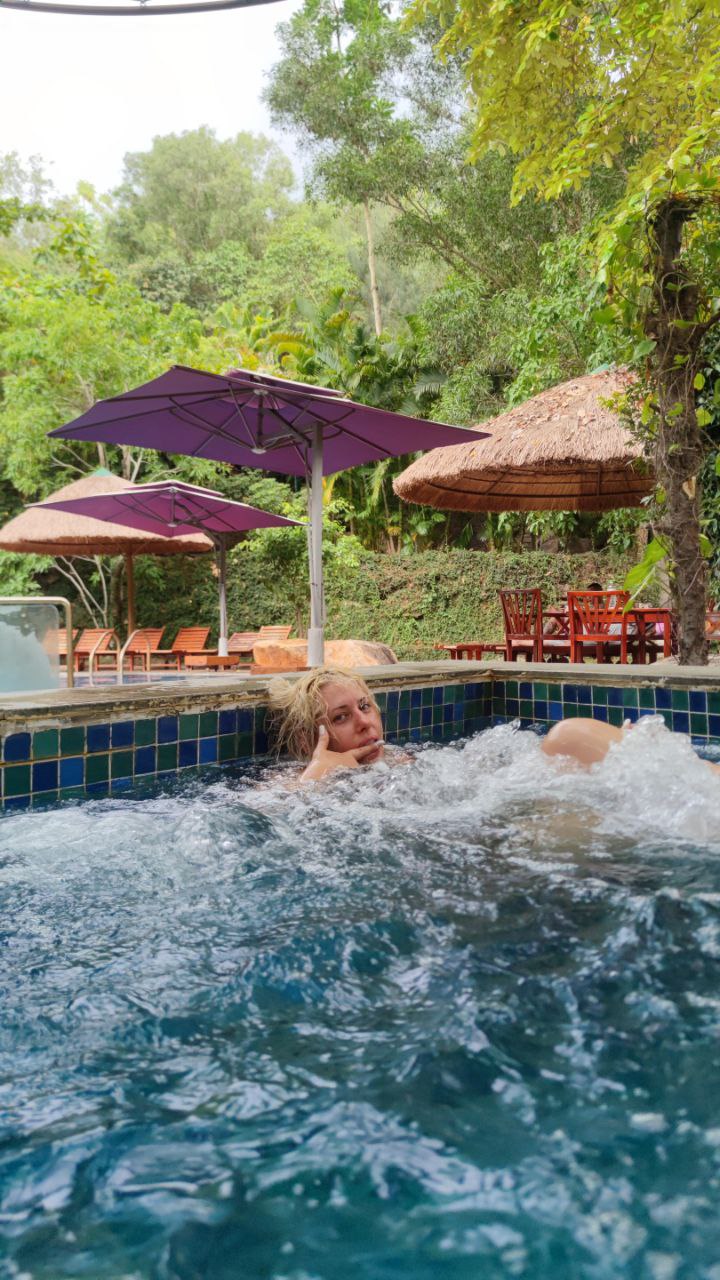
One of Nha Trang’s signature experiences is its mud baths. Thap Ba is the first and most famous spot, with pools, saunas, and therapeutic mud. I-Resort is a more modern complex with a spacious area. Prices range from $5–10 for a basic session to $25–30 for a “VIP bath.”
We love visiting VIP spas. Fewer people, everything is for you: peace and relaxation. The program goes like this—you take the elevator up, cross a bridge, ride in a car to the spa zone, change into special clothing, head to a pavilion with mud baths, a shower, an herbal pool, loungers for resting with water and fruit (it’s best to bring your phone to track the time), then descend for a Charcot shower, then get back in the jacuzzi, and if you wish, swim in the large pool. At the big pool, you’ll find herbal tea and candied fruit waiting at the tables.
Joining a tour group or traveling to other cities on your own is also a good option. When visiting Dalat, remember to bring something warm—since the city sits high in the mountains, the temperature can be quite cool.
VinWonders Nha Trang is a huge amusement park on an island, with attractions, an aquarium, water park, and one of the longest cable cars over the sea in the world. If you’re not interested in the main attractions, you can simply buy a cable car ticket and explore the island’s free zones, which feature scenic overlooks, shops, cafés, massage parlors, entertainment, and plenty of ways to have a great time.
Monkey Island and Yang Bay Park are also great for nature trips with kids. One-day island tours (with lunch and snorkeling) cost $15–25. Most beaches remain free, and renting a set of loungers is just $3.
SUP boards and kayaks cost $5–7 per hour, right on the city beach. Surfing: in the winter wave season (November–March), you can ride the waves at Bai Dai Beach or at select city spots. Schools provide gear and lessons for beginners. Paragliding and jet skis are also available at beaches and on the islands.
Seasons and Weather
The best time to visit is February through August: minimal rainfall, calmer seas, and better visibility. From September to January, expect rains and winds; keep an eye on the lifeguard flags and pick bays with less swell. Excursions, spa visits, and gourmet experiences make for a great “winter” program.
So, the dry facts: dry season (February–August) is the best for beach holidays. Consistent sunshine, air temperatures of +28…+32 °C, water around +27 °C, with only occasional light showers. The sea is calm, clear, with excellent visibility for snorkeling and diving.
But be aware that tides can be very noticeable in places. From time to time, trash washes ashore, which is always disappointing to see.
The wet season (September–January) is unmistakable—not just by the dates, but by the regular rains, which can last several days at a time, and sometimes strong winds. The sea gets rougher, with visible currents and reduced clarity. It’s better then to choose bays—protected spots like Hon Tam or Doc Let become true havens, remaining calmer even in the rainy season.
In any case, if a typhoon comes during your stay, seasonality won’t matter.
What’s great about Nha Trang is you can easily create your own blend: some seek sunsets and romance, others crave activity and sports, and for some, reliable internet and coffee with a view are essentials. Here, you can have it all.
To Sum Up
Visitors perceive Nha Trang as a resort with the perfect balance of price and quality. It offers affordable accommodation, fresh seafood, a developed infrastructure, and a wide range of activities. Yes, there are seasonal quirks and popularity nuances, but most guests agree: Nha Trang is worth the trip—whether it’s for a week’s vacation or a couple of months of wintering.
Useful Tips Before Your Trip
- In the off-season, plan a “Plan B”: spa sessions, baths, markets, gastronomy, viewpoints, and island parks, depending on the weather.
-
For snorkeling and diving, check the wind forecast and center recommendations for specific dates.
-
If you’re sensitive to wind, choose accommodation not right on the beachfront or look for neighborhoods sheltered by buildings or terrain.
-
Plan “B” for bad weather.
Accommodation and Finances
We’ve already mentioned the noisy moments above—no need to repeat. But if you’re sensitive to wind and humidity, think about this ahead of time. In winter, the first line can be very windy, and the sound of waves might disrupt your sleep. It’s better to choose housing on the second or third line, where buildings block the wind. Some locations are strategically placed thanks to terrain—these are more comfortable in the winter months.
As for finances, Rosselkhozbank cards now allow you to withdraw cash at ATMs, instantly converting to dong. You can also exchange money at local jewelry stores or with money changers spread throughout the city.
A word of advice: when you arrive in Nha Trang, always keep “Plan A” (sea, beaches, islands) and “Plan B” (spa, food, excursions) in mind. That way, the weather won’t spoil your mood—it will just bring a new rhythm to your holiday.
Exchange currency only through trusted people. To avoid hassles with unofficial exchangers, split your sum and exchange in several parts—this helps prevent fraud. And, of course, watch the exchange rate.
For shopping, we recommend the Sapphire chain of stores—but others won’t disappoint you either. The idea is “everything in one place”: you’ll find quality pills, dried fruit, cosmetics, alcohol, tea, coffee, and more. IMPORTANT: Plan your shopping spree for maximum effect: after paying, you can get a gift—the bigger your purchase, the better the present. In local pharmacies, you’ll find officially produced medication in higher concentrations—like artichoke, renowned for its restorative effects on the liver.