
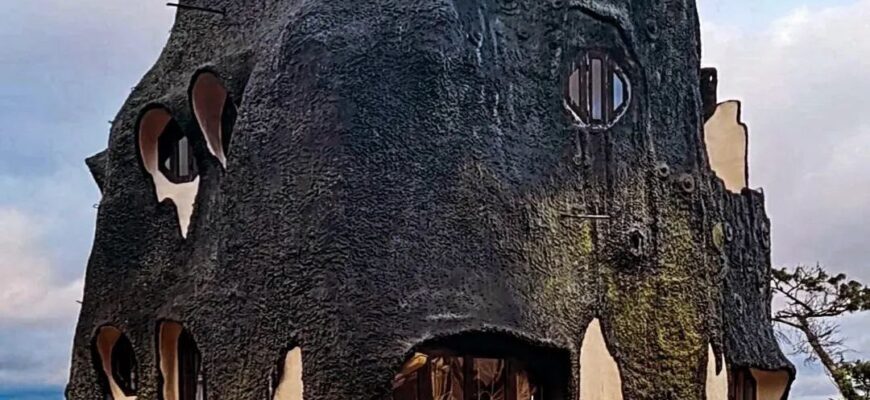
О, this Crazy House—officially named Hang Nga Guesthouse—in Da Lat is an active art guesthouse designed by architect Đặng Việt Nga: winding “bridges,” themed rooms without a single right angle, viewpoint terraces, and an aqua-themed hall for events and balls.
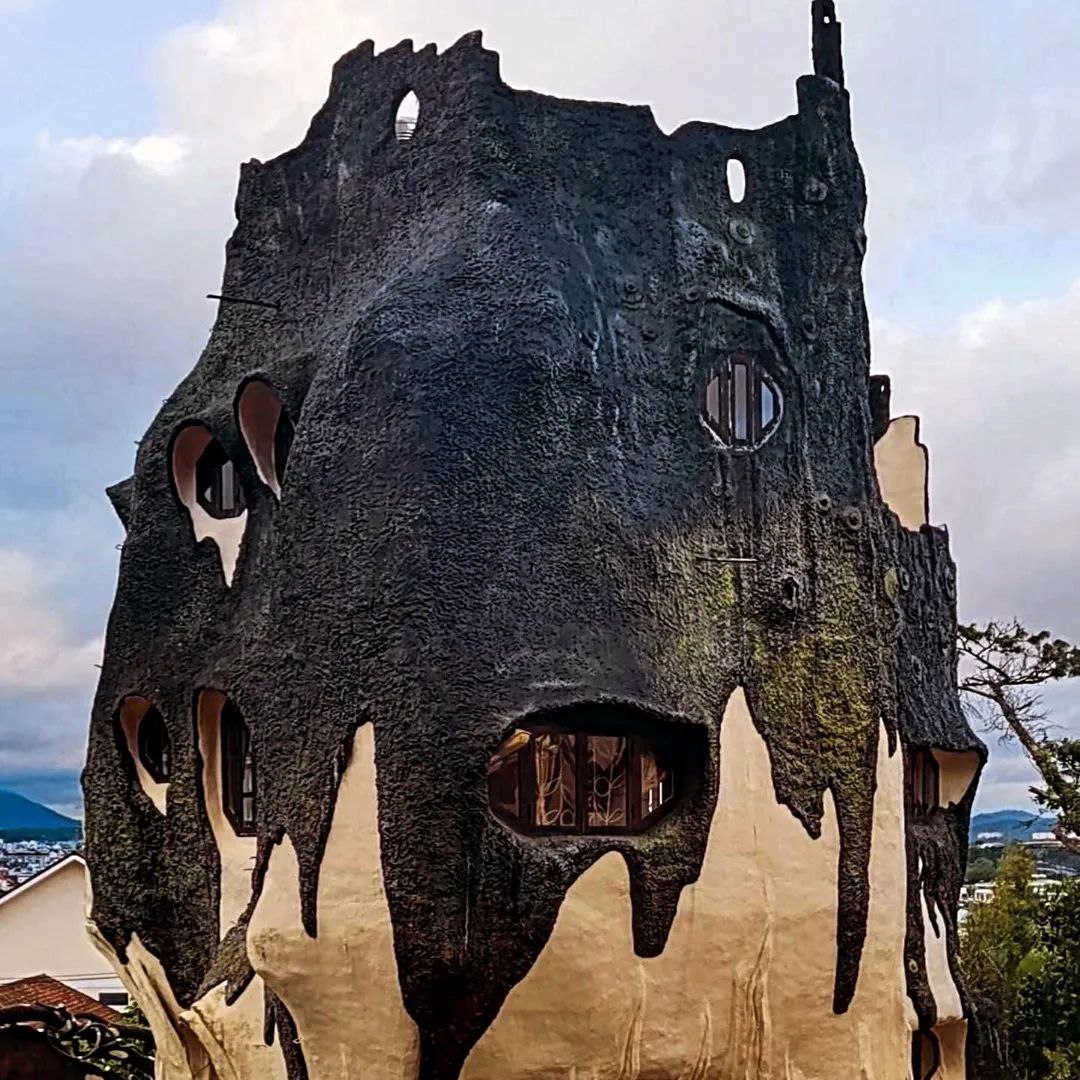
What is it?
So, Crazy House is an experiment in organic architecture, where forms of “trees,” “caves,” and “roots” replace the usual walls and corners. The creator of the project is Đặng Việt Nga. In descriptions, you’ll often find references to Barcelona’s Modernism and Antoni Gaudí, and a principled rejection of straight lines.
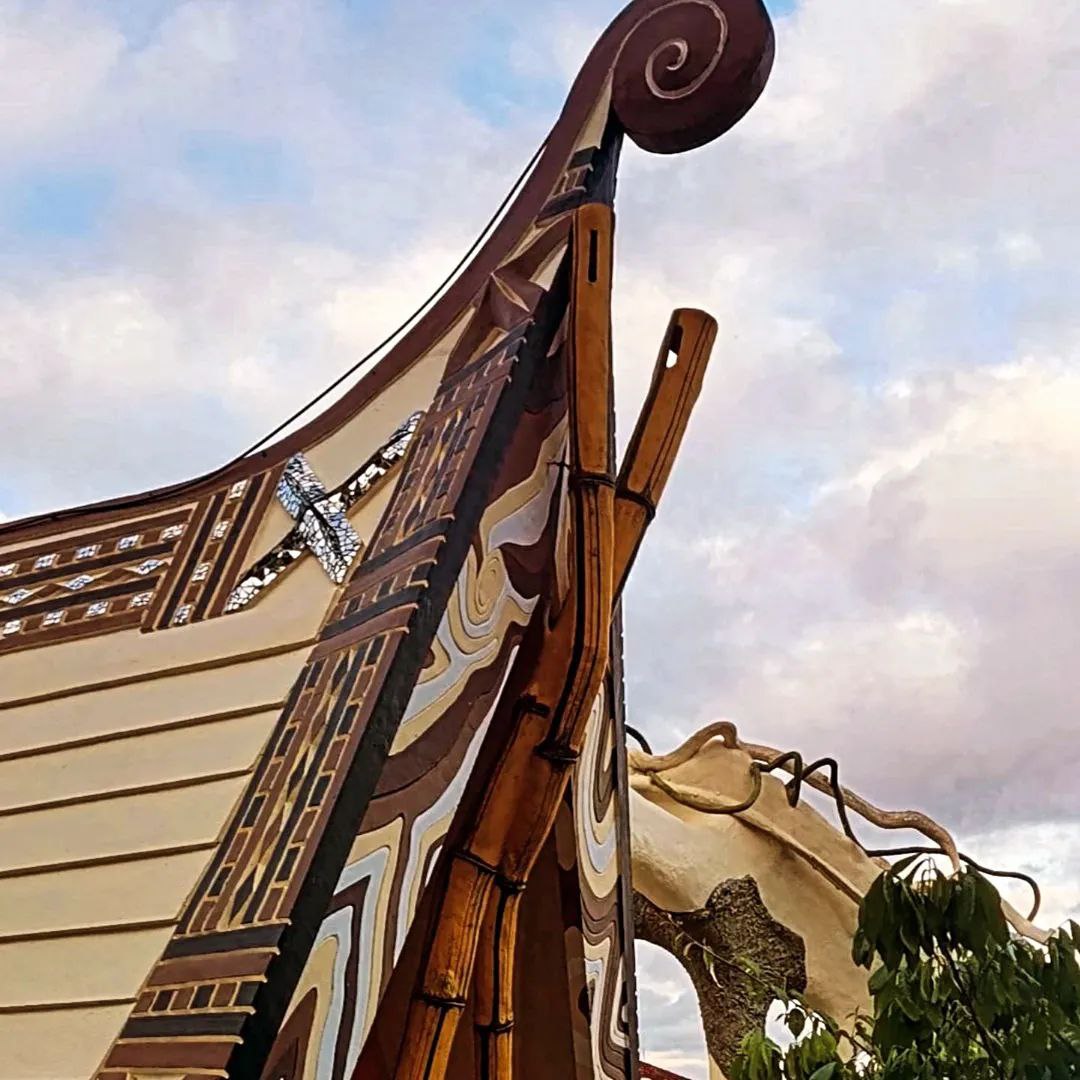
The complex is both a museum and a functioning guesthouse.
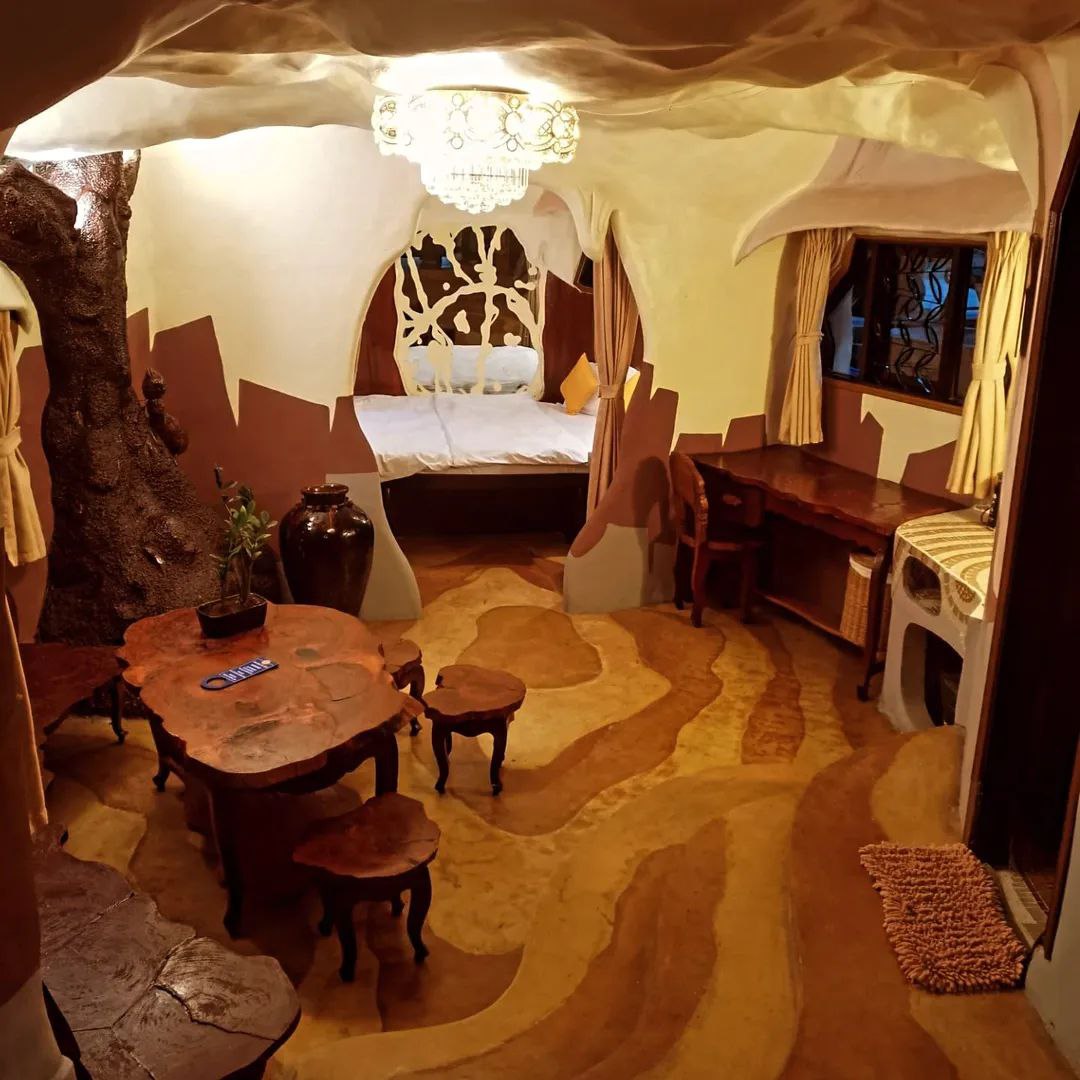
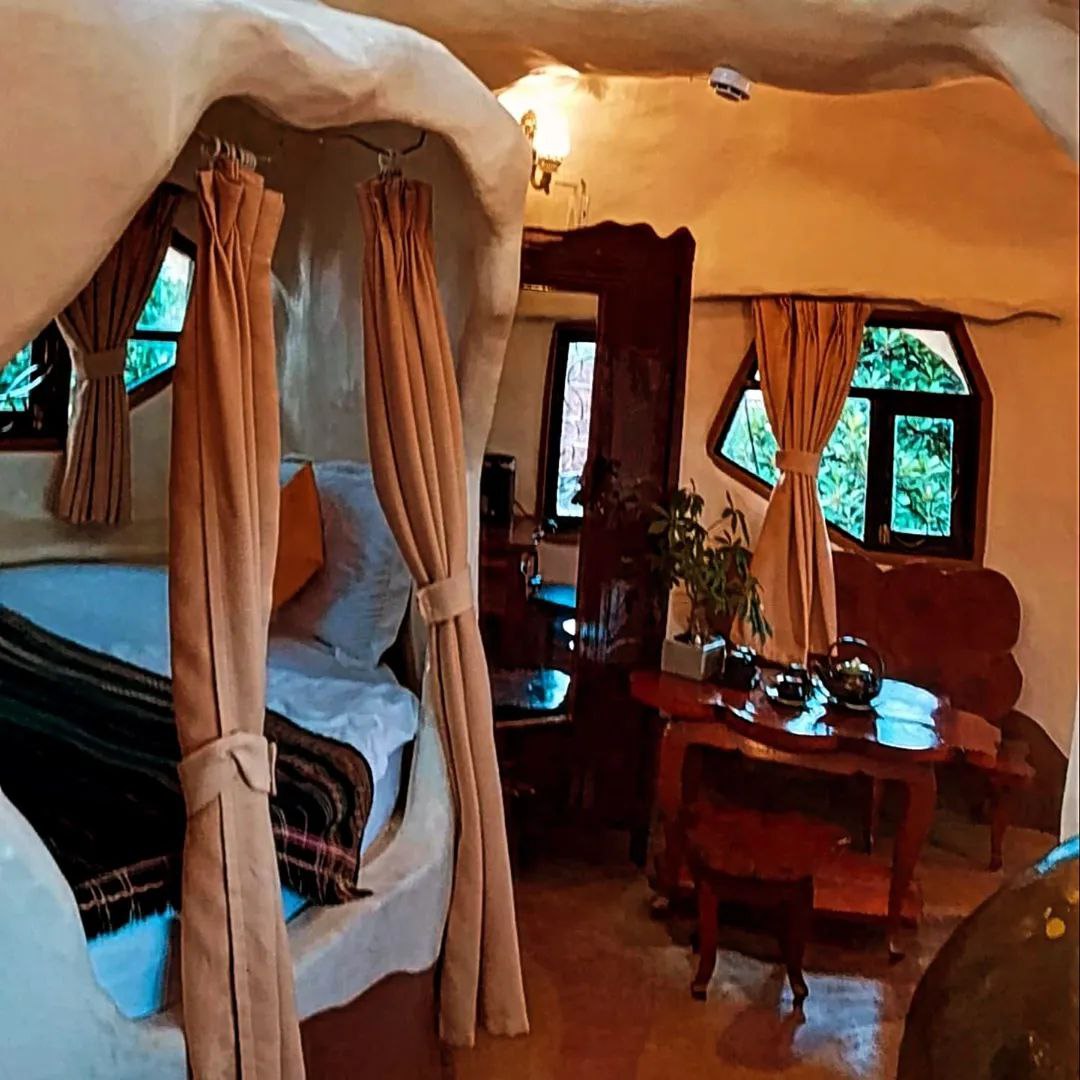
The grounds include restrooms, shops (open irregularly), rooftop viewpoints, a museum-like corridor about the site’s history, a commemorative room in honor of the creator’s parents, and guest rooms for groups of various sizes located throughout the complex and on different floors.
Where is it and how to get in?
Here are just the basic facts:
- Address: 03 Huynh Thuc Khang, Ward 4, Da Lat.
- Visiting hours: approximately 08:30-18:00 daily.
- Entrance fee (current reference): Height ≥1.4 m – 80,000 ₫; 1.2–<1.4 m – 30,000 ₫; under 1.2 m – free.
- Overnight inside: Bookable themed rooms (information and reviews available on Booking/Tripadvisor).
Brief history and vision
The guesthouse began welcoming visitors in the late 20th century and quickly became one of Da Lat’s symbols. Its unusual plasticity provoked a wide resonance—from criticism to delight; today, the place is a stable feature in guidebooks as “Crazy House.”
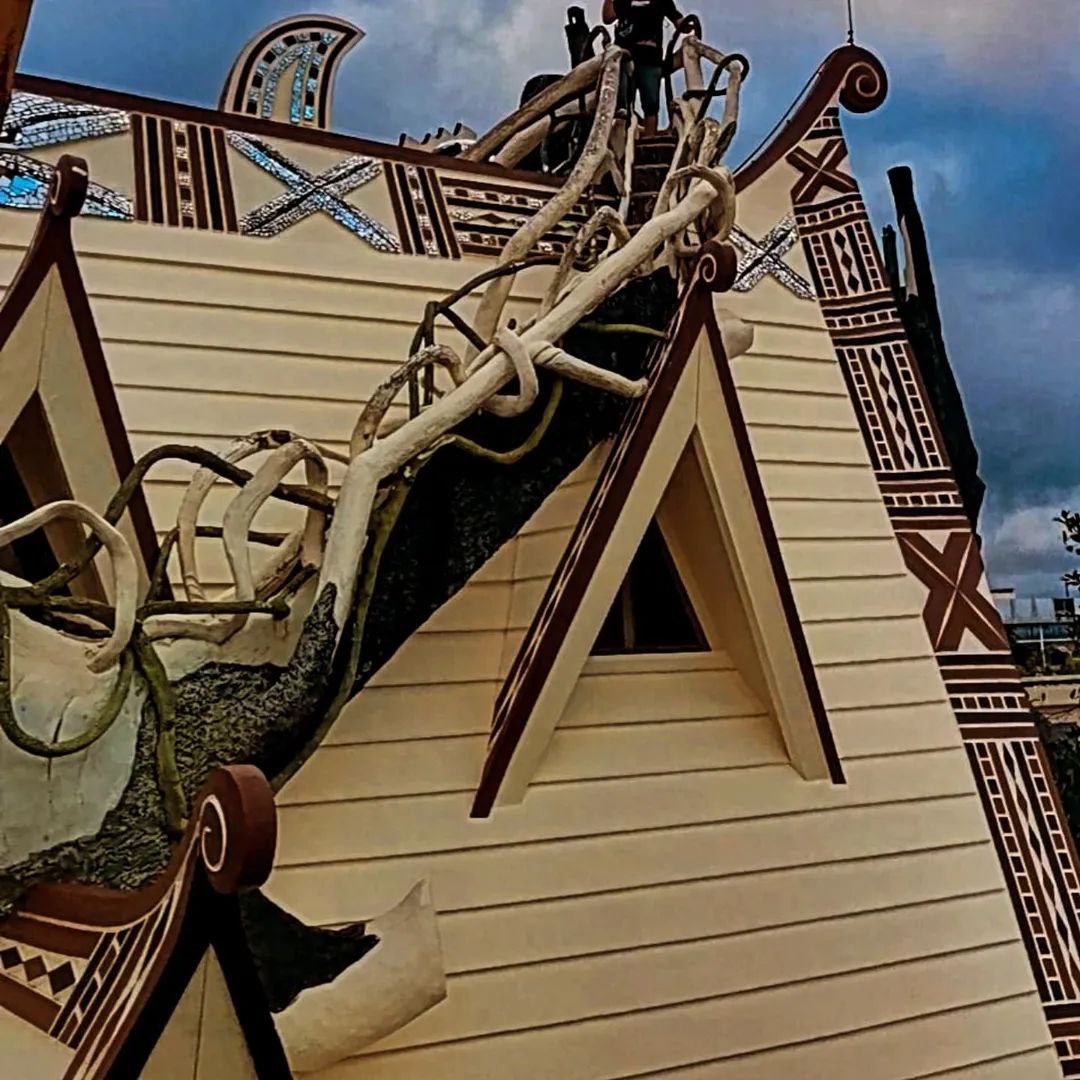
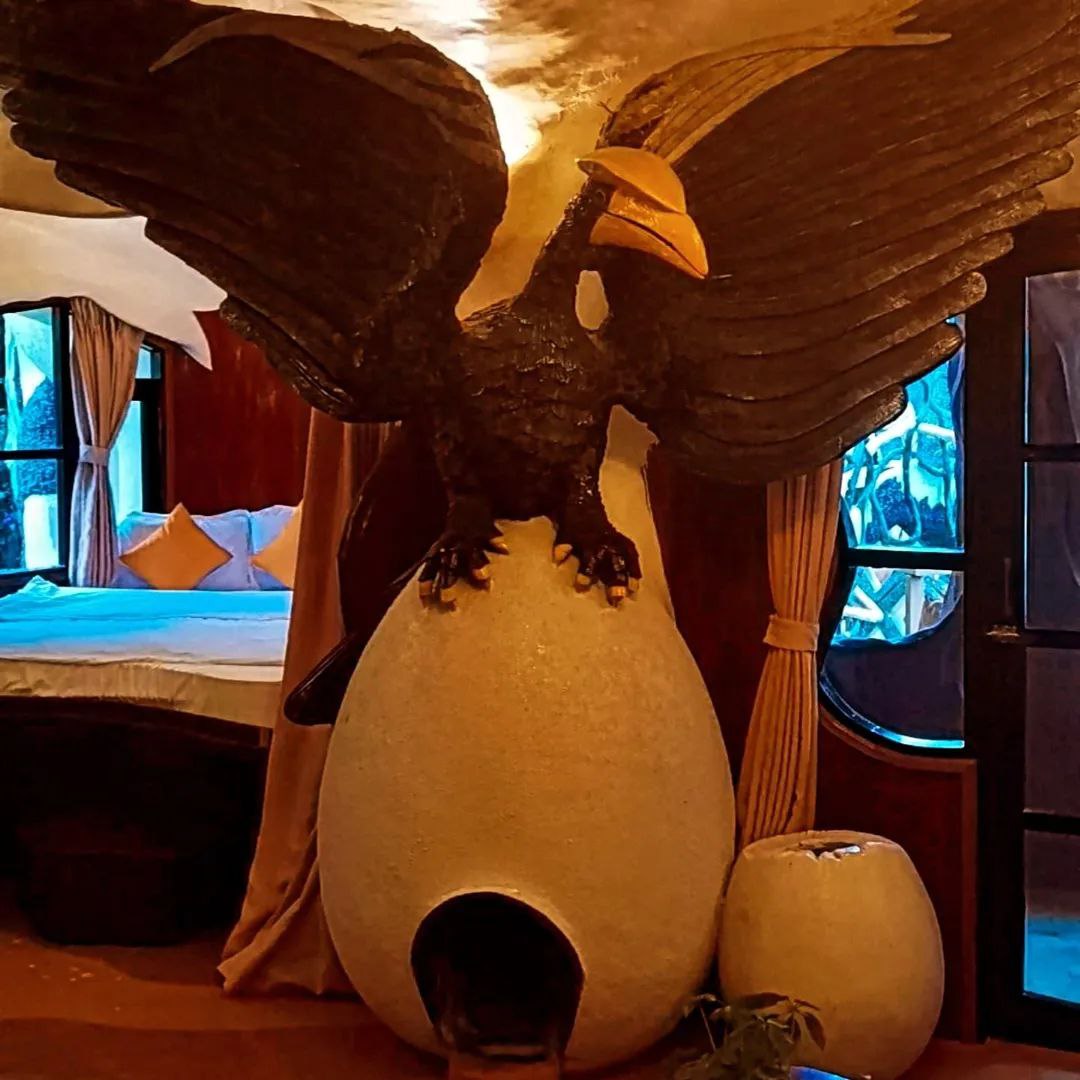
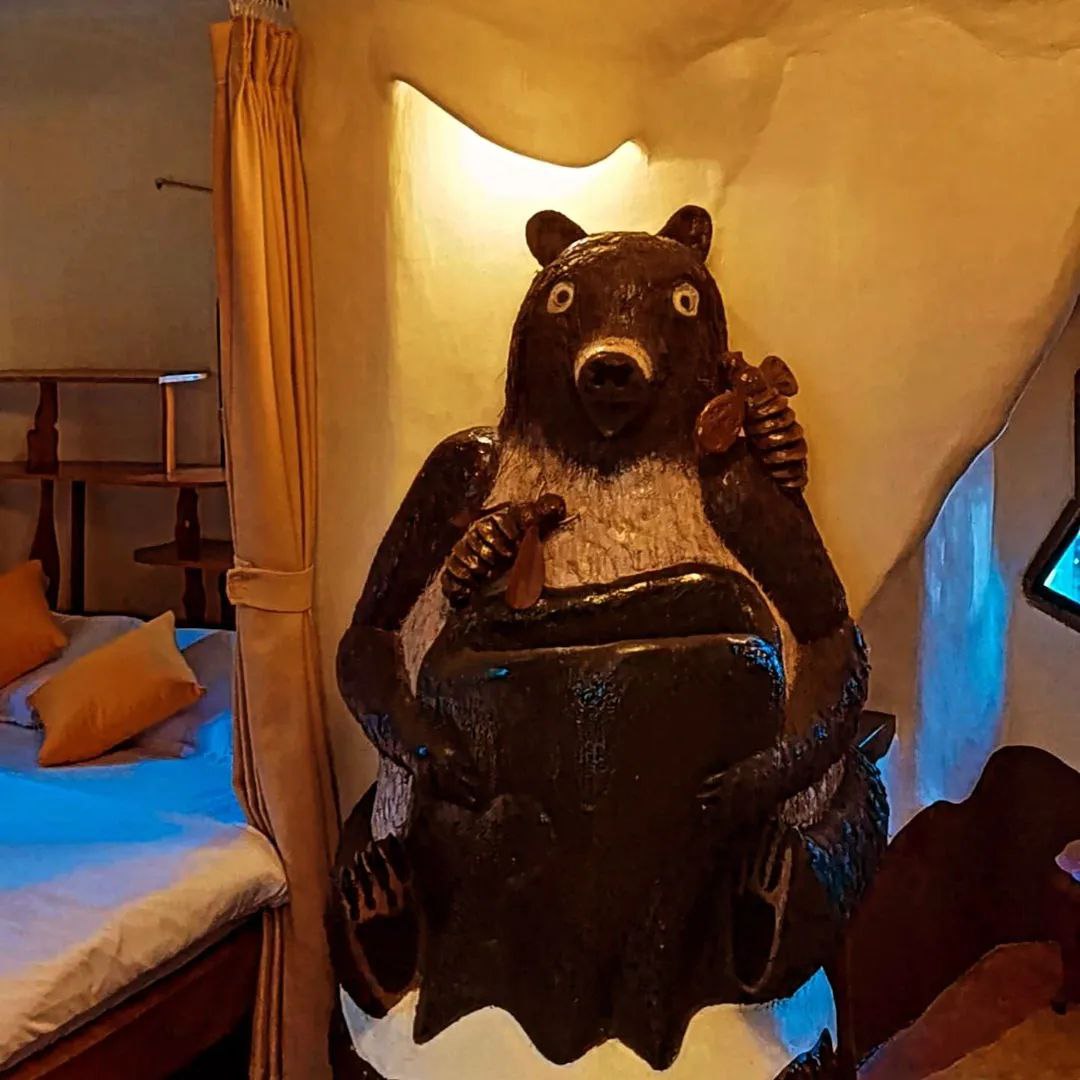
So what’s waiting for you inside? For me, it’s a real fairy tale. Airy, almost floating passages and stairways under open skies leading to view platforms. Themed rooms in which you’ll always find a statue, for example a “Tiger,” “Kangaroo,” “Eagle,” and furniture and details continue the plastic contour of the walls. Amazing routes intertwine, converge and diverge from the entrance courtyard to the upper levels and back, forming sculptural “trunks” and “caves.”
If you want a closer look at the history of the place, take the entrance path to the event hall—the Underwater Kingdom—and go up the right-side stairs to the second floor.
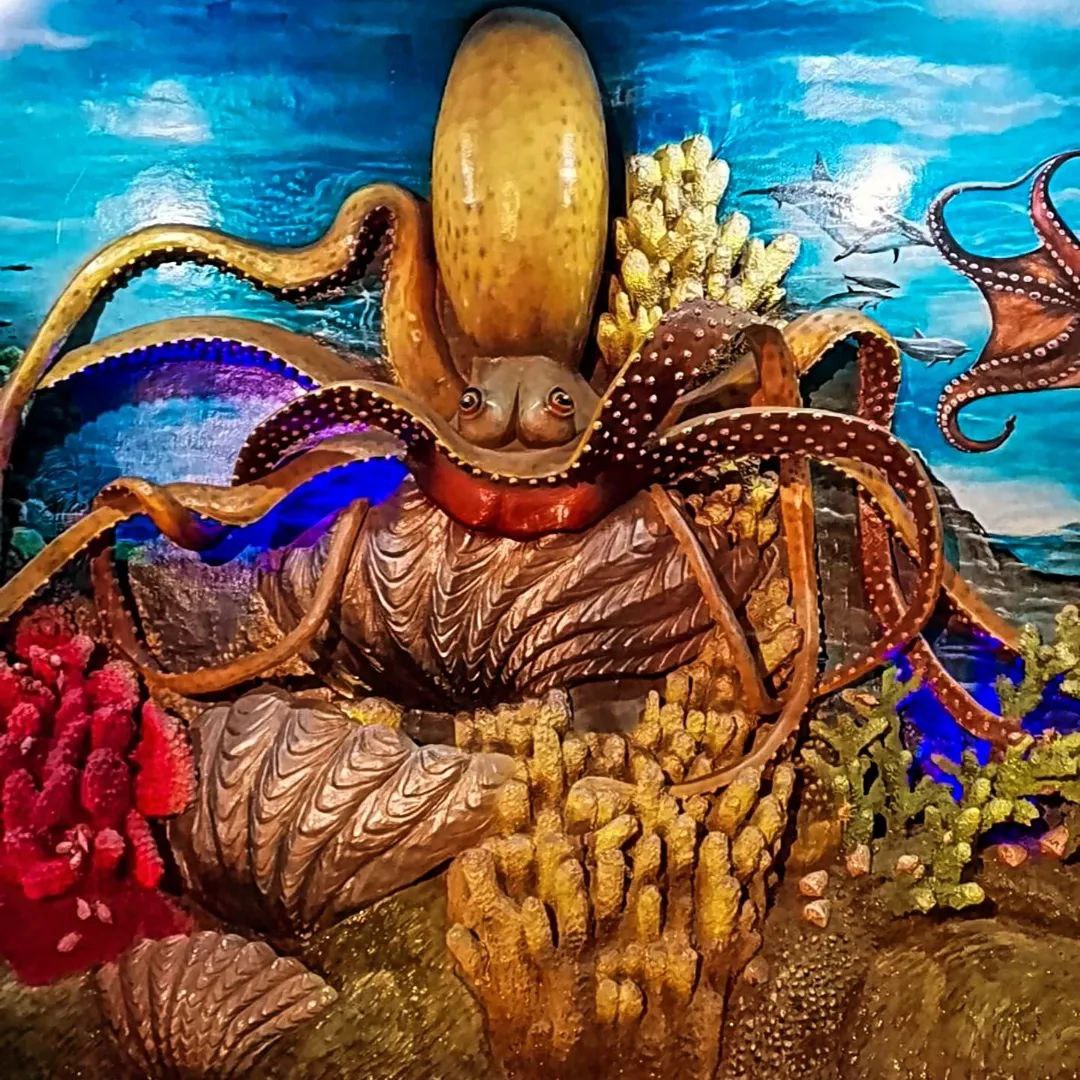
Then, stick to the right as you walk down the corridor and review the complex history of the place through the exhibit of documents, photos, essays, newspaper clippings, and sketches by the house’s creator.
By the way, the house continues to expand, which you can confirm by taking a look from above.
Quick tip: on hot days, bring water with you.
Visit route
The whole route can be completed in about an hour or one and a half. It all depends on how busy the site is and at what time you visit.
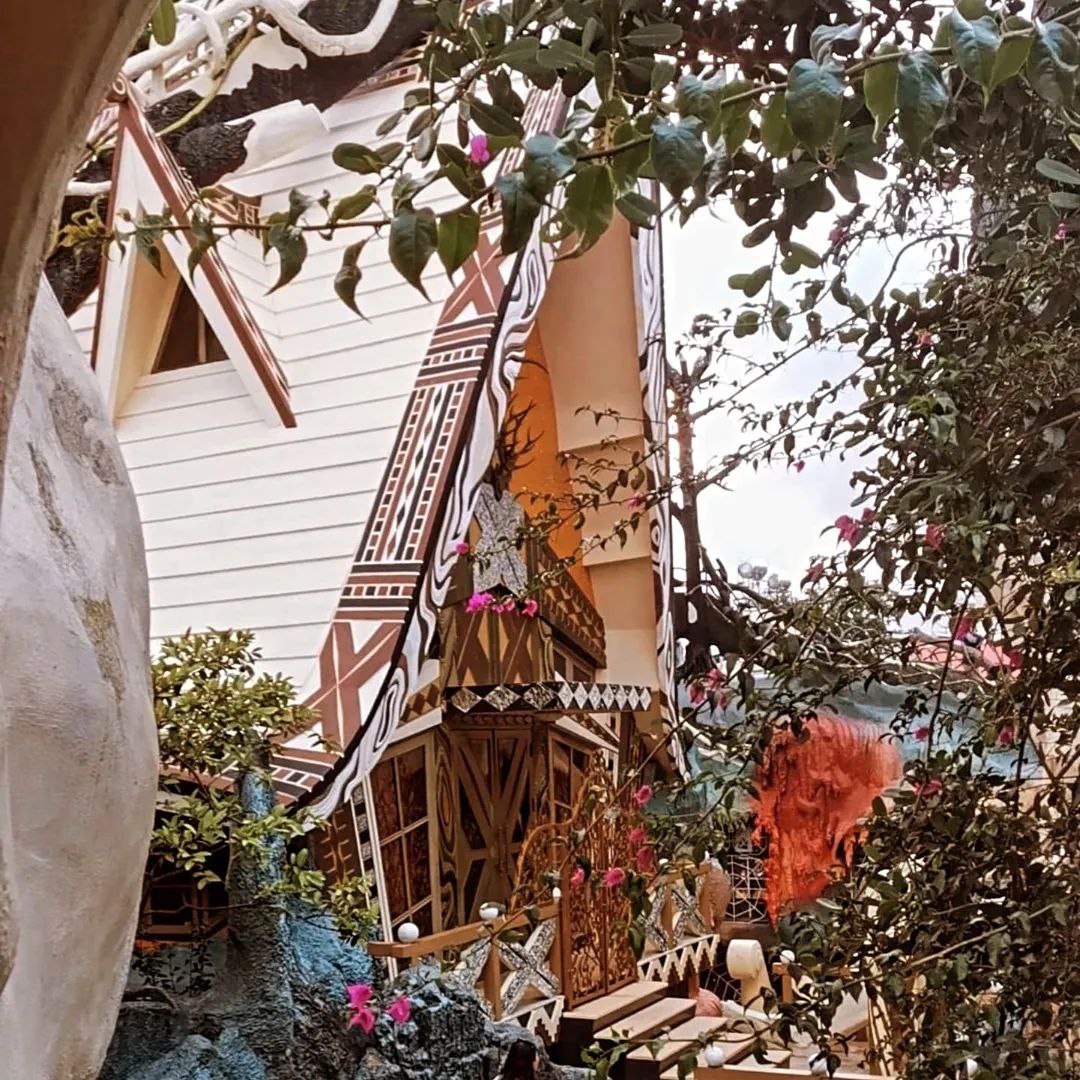
After purchasing your ticket, you go through the checkpoint and walk along the green garden/courtyard straight to the buildings. You can start your tour anywhere; you’ll find splits where paths, walkways and stairs branch off practically everywhere.
Since we arrived near sunset, there were fewer people, and we went left into the buildings. Via the “Sky Bridges”—the lifts—you’ll reach viewing platforms, passing by famous guest rooms. At the exits and on the roof, there are quite good views of the whole complex. You wander calmly along stairs, bridges, and galleries, taking in the fairytale beauty. If you get tired, you can always go down into the garden and rest there.
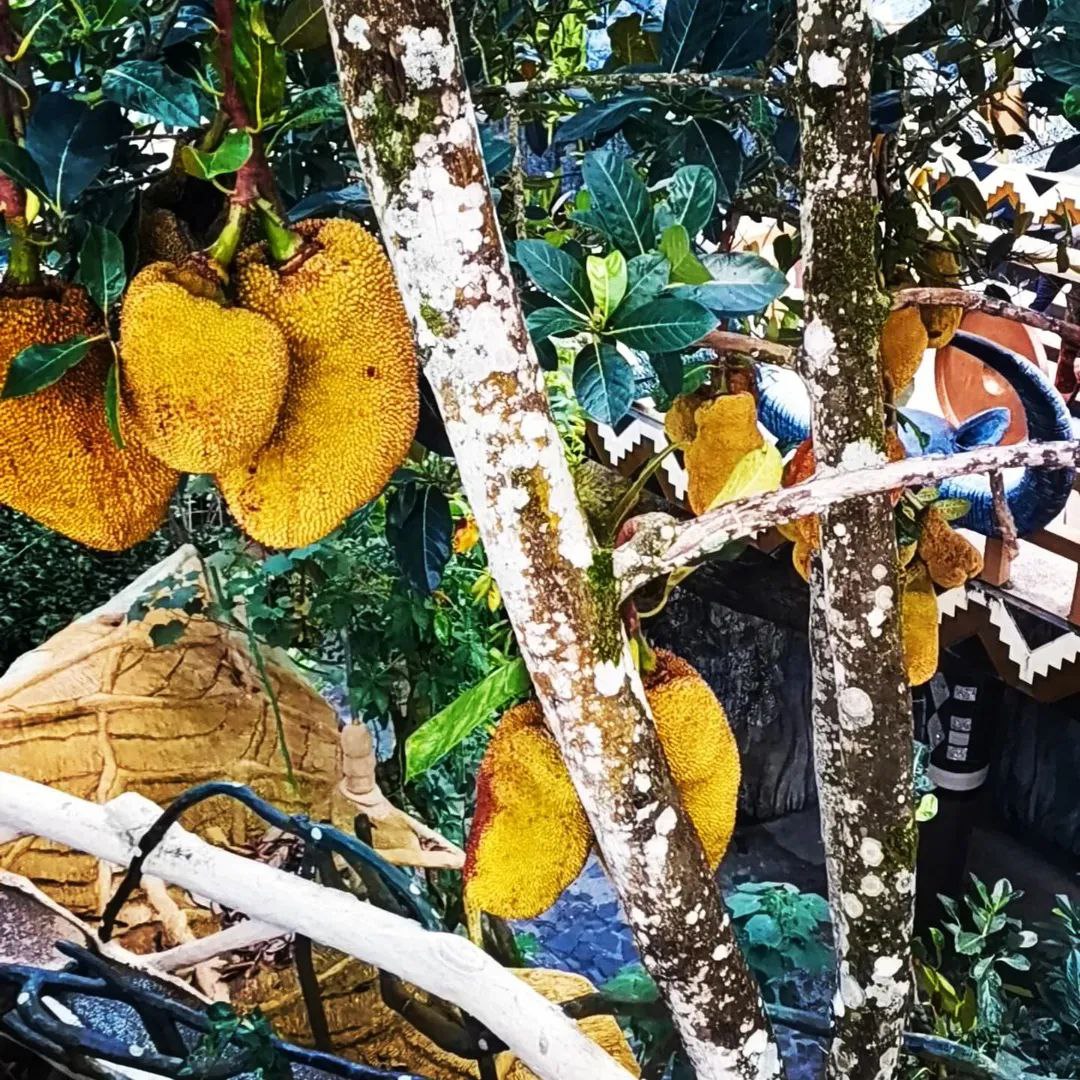
Note: on the right side by the stairs to the garden, there grows a jackfruit tree.
Practice and safety
What you should remember, especially if you have kids: some stairways are quite narrow and steep, with low decorative sides. Stick to the center or—where available—the wall, and don’t overtake others on the stairs or slopes. It’s important to keep track of children, as you may split up on the paths and find yourselves in different parts of the complex.
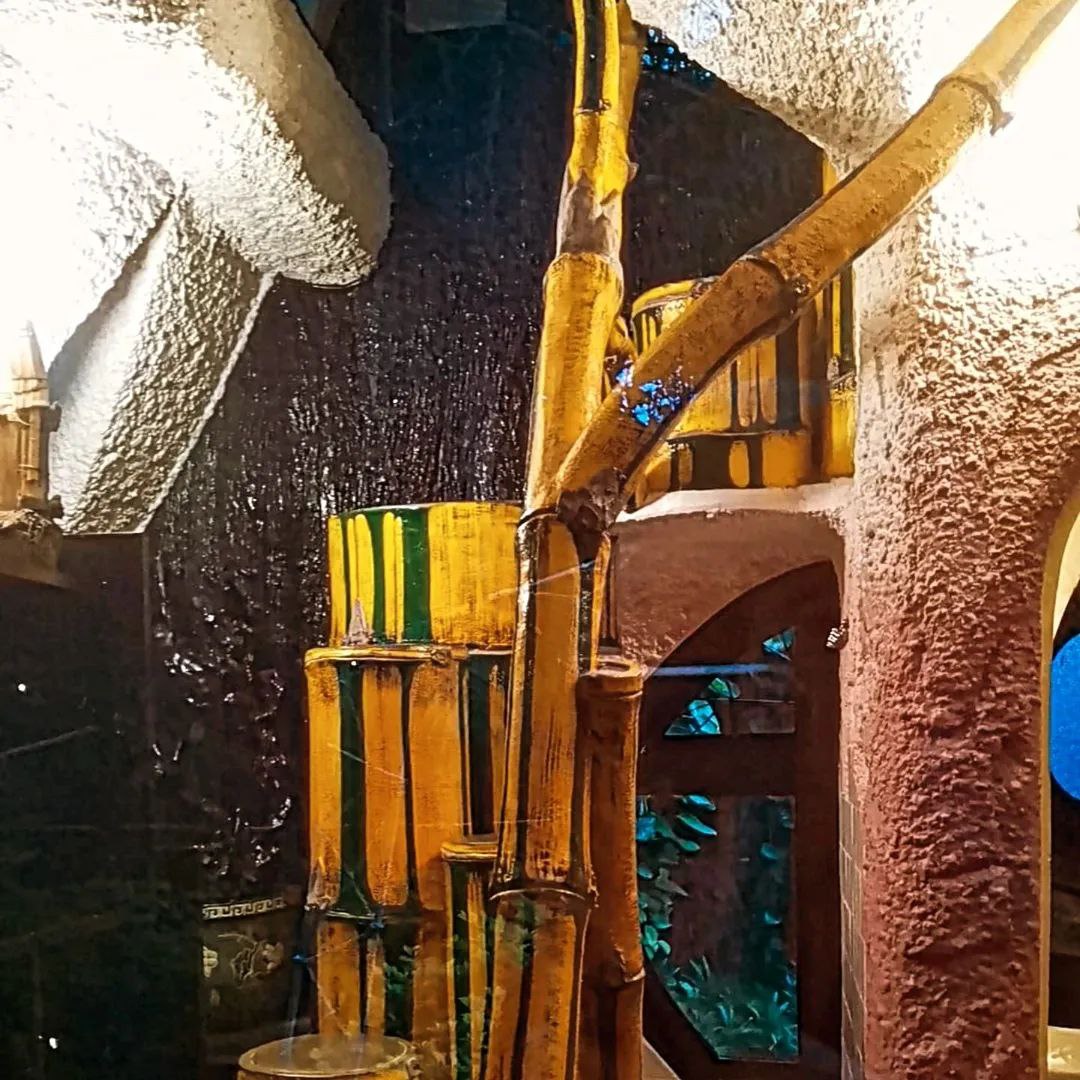
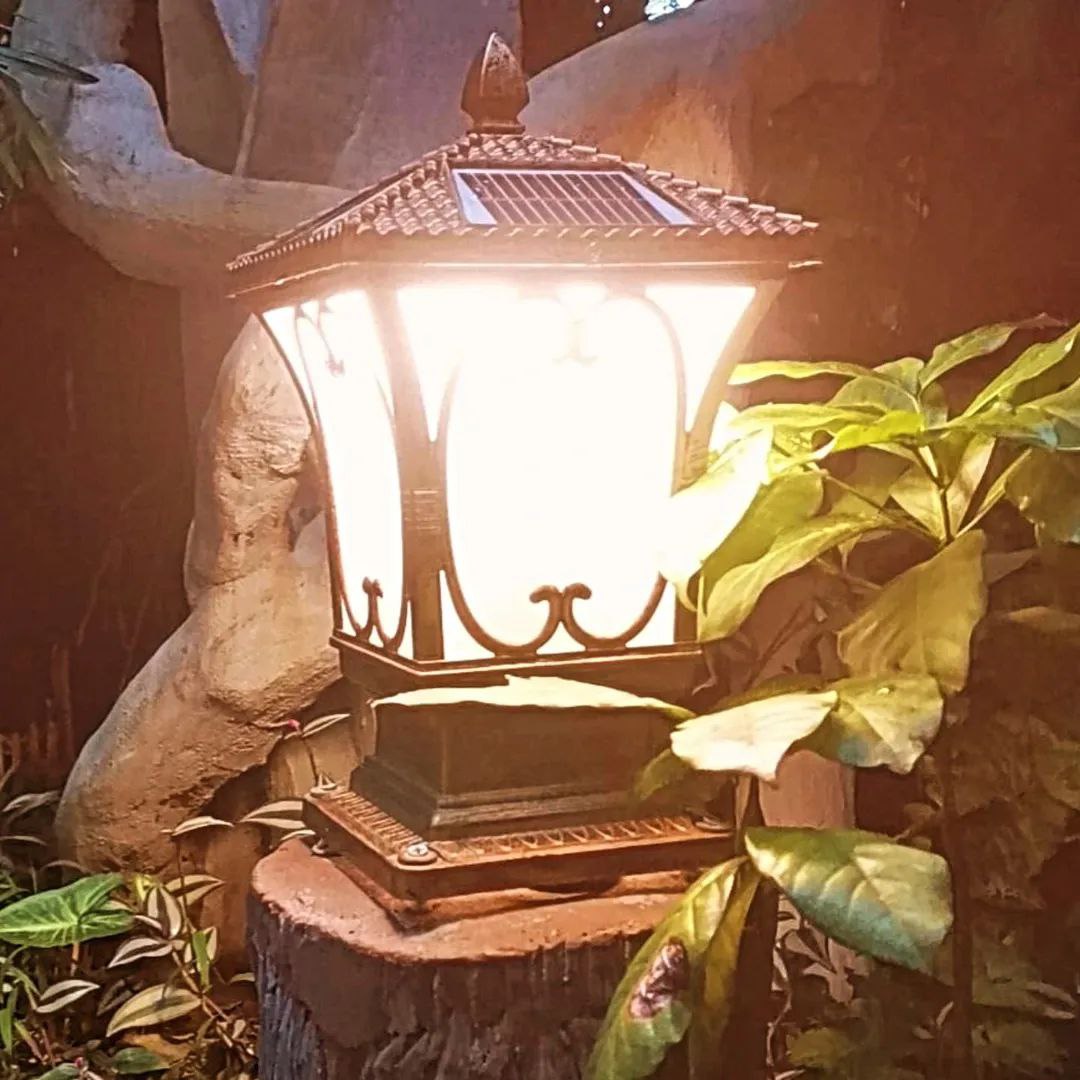
Many travelers recommend coming early to avoid crowds and tourist groups. We visited in the late afternoon, and it was quite comfortable and free for viewing. With the lights turned on at dusk, the tour took on more magic than by day.
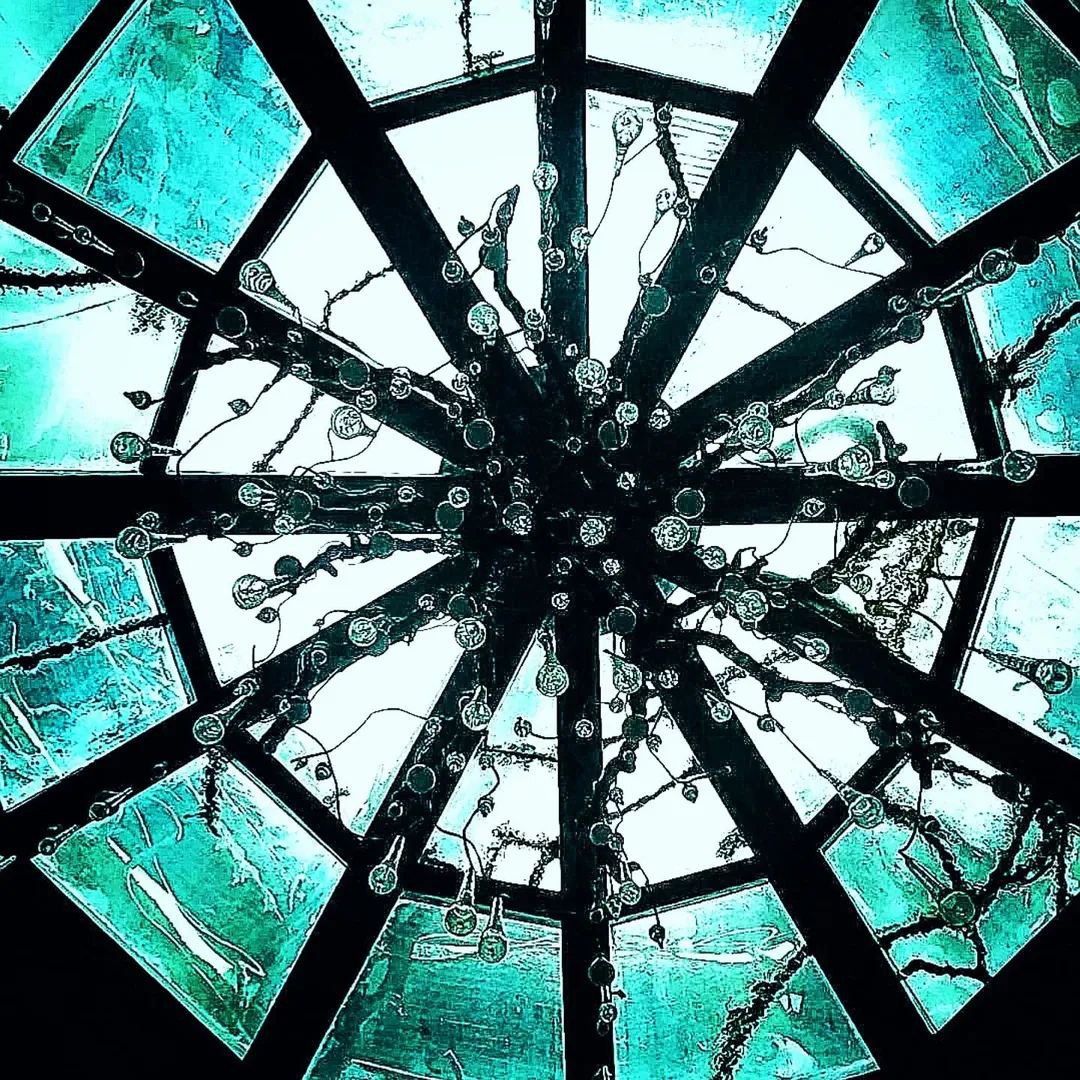
One thing you definitely need to remember is comfortable, non-slip footwear. Part of the route is outdoors and in wet weather, surfaces can get slippery.
How to get there
Getting there is pretty easy. Check the route on your map based on your location, and if distance makes walking to the museum impractical, the easiest way is to use Grab Taxi. This is the standard way to get from one place to another in the city.
Where to eat nearby
Next to the entrance are several spots, for example, Steak Ngon, Moon Dining and others. They’re convenient for snacks or full meals after the visit. You can always pick a place with the number of stars and the cuisine you prefer by checking reviews and maps.
Since we walked almost the whole city getting to know its image and culture, I can say nearly all food establishments had respectably solid menus, except for a few street cafés clearly aimed at locals.
To sum up
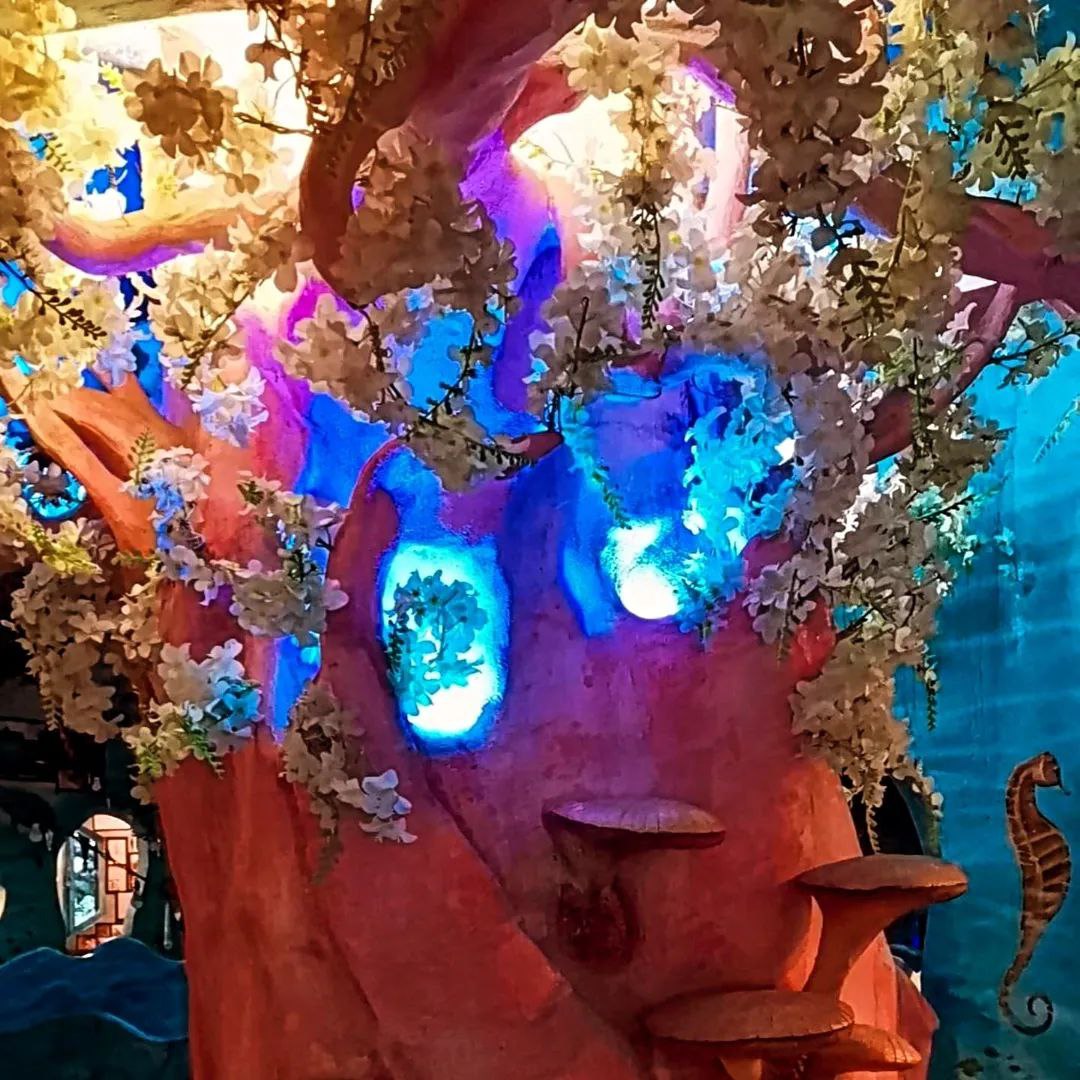
Crazy House is a rare and striking example of signature organic architecture in Southeast Asia; you can not only visit it, but actually “live” inside by booking a room. Booking is also available at the reception desk (to the right of the entrance).